ClawHosters
by Daniel Samer
3 min read
Loading...
Peter Steinberger, the Austrian developer behind OpenClaw, is now at OpenAI. Sam Altman called him "a genius" on X and announced he'll lead the next generation of personal agents. As TechCrunch reported on February 15, this is an acqui-hire. OpenAI hired the person, not the project.
So what happens to OpenClaw?
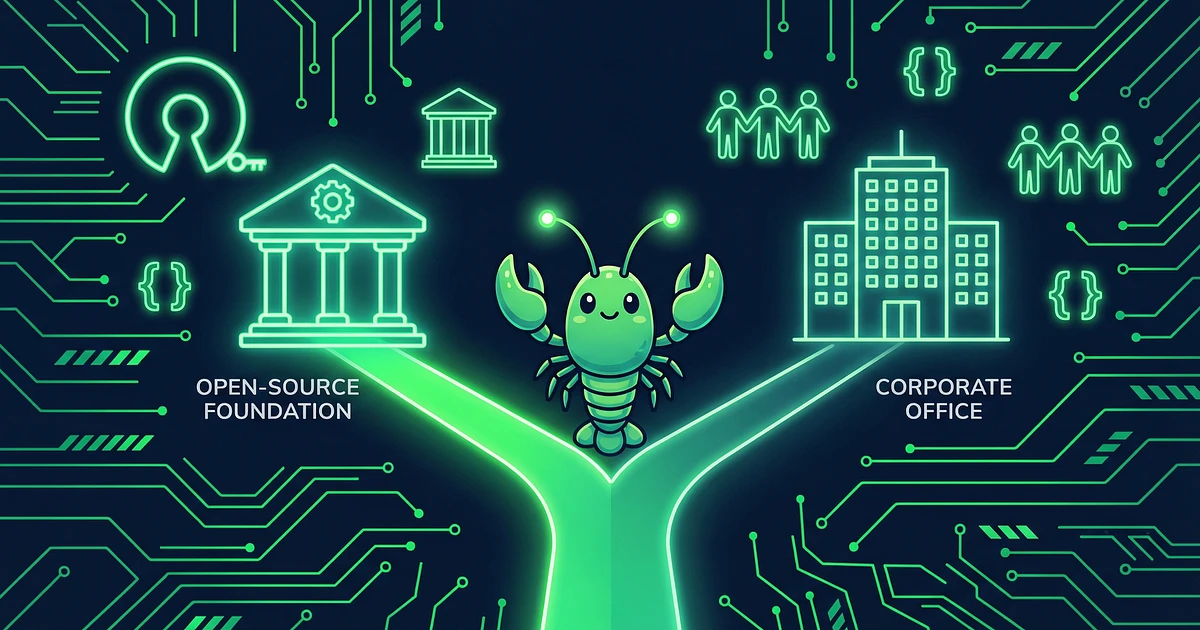
OpenClaw is moving to an independent open-source foundation. Think Linux Foundation or the Cloud Native Computing Foundation behind Kubernetes. Community maintainers take over day-to-day development, OpenAI sponsors the project, and the MIT license stays exactly where it is.
In his own blog post, Steinberger wrote that keeping OpenClaw open source was a non-negotiable condition for joining. His exact words: "It's always been important to me that OpenClaw stays open source and given the freedom to flourish."
That matters. A public commitment like that creates accountability.
Let's be honest. OpenAI and the word "open" have a complicated relationship. The company is literally in litigation over its own nonprofit-to-for-profit transition right now. If you're skeptical about whether foundation governance will hold up in practice over the next 12 months, that's reasonable.
But there's a difference between a direct acquisition (where a company owns the code) and a foundation model (where community maintainers control direction). The governance structure mirrors what has worked for Linux and Kubernetes for years. It doesn't guarantee anything, but it's a stronger position than most open-source projects find themselves in after their creator moves on.
Nothing changes at the infrastructure level. Your instance keeps running. Updates keep coming. The codebase that powers your agent is still MIT-licensed and actively maintained by a growing contributor base (190,000+ GitHub stars and counting).
If anything, the foundation structure adds stability. OpenClaw is now less dependent on one person and backed by institutional resources it didn't have before. And as a managed hosting provider, we handle upstream changes so you don't have to. When security patches drop (remember the exposed instances found via Shodan during the name change chaos?), we apply them. You just use your agent.
The code is what runs your business. And the code isn't going anywhere.
No. OpenAI hired Steinberger as an employee. The project moved to an independent foundation with community governance. OpenAI is a sponsor, not an owner. The MIT license is unchanged.
Not at all. The open-source codebase that your instance runs on continues to be maintained. ClawHosters applies updates and security patches regardless of upstream governance changes.
The foundation model has a strong track record with other major projects like Linux and Kubernetes. With 190,000+ GitHub stars and institutional backing, OpenClaw is in a stronger position than most open-source projects. We'll keep monitoring and report on any meaningful changes.
*Last updated: February 2026*

On May 10, Hermes Agent by Nous Research passed OpenClaw in daily token usage on OpenRouter. Hermes hit 224 billion daily tokens against OpenClaw's 186 billion. By May 21 the gap had widened: 458 billion vs 173 billion.
A UK CEO's live OpenClaw instance showed up on BreachForums in February. Price tag: $25,000 in Monero. The listing advertised full access to the CEO's AI conversations, production database, Telegram bot tokens, and Trading 212 API keys. All stored in plaintext Markdown files.
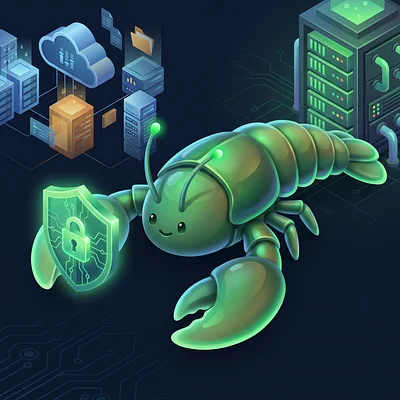
On April 22, 2026, OpenAI announced Workspace Agents for ChatGPT Business and Enterprise customers. Think always-on, cloud-hosted AI agents that plug into Slack, Salesforce, Google Drive, and about a dozen other enterprise tools.