ClawHosters
by Daniel Samer
3 min read
Loading...
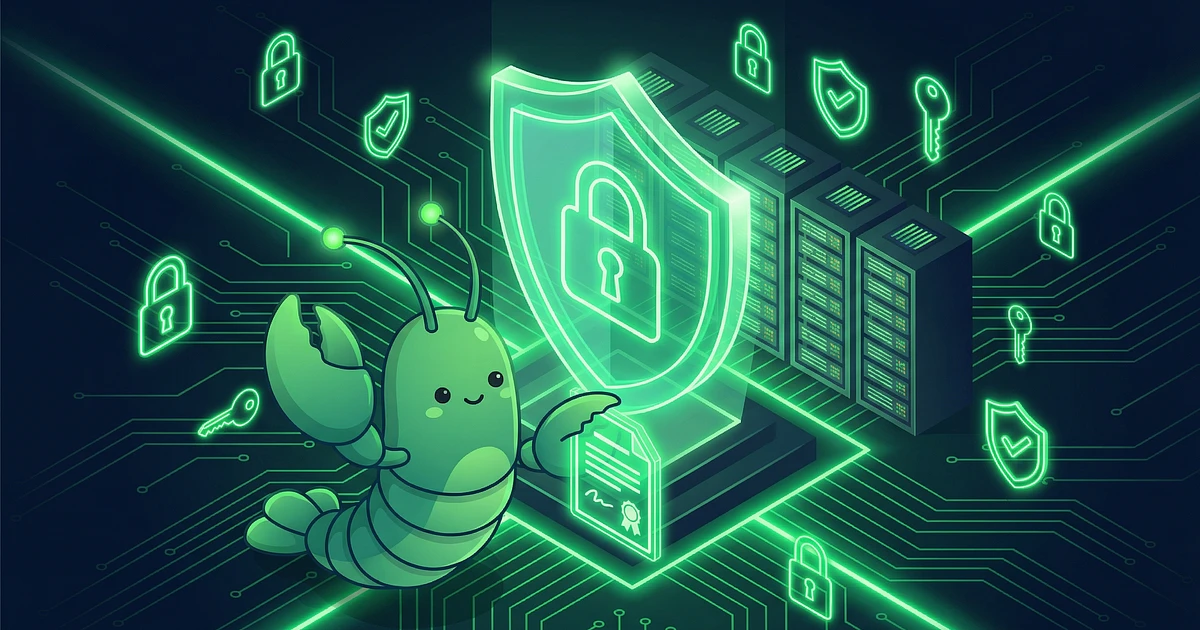
Microsoft just told enterprises what we've been saying for months. Self-hosted AI agents are a security problem if you don't isolate them properly. Their new guide on the Microsoft Security Blog covers identity management, container isolation, and runtime risk for organizations deploying OpenClaw.
The timing isn't coincidental. Barrack.ai's vulnerability analysis identified 512 total vulnerabilities across OpenClaw deployments, eight of them critical. 93.4% of publicly exposed instances had authentication bypass flaws. That's 42,665 instances across 82 countries, sitting wide open.
The guide calls out what it terms "dual supply chain risk." In Microsoft's words: "Self-hosted agents execute code with durable credentials and process untrusted input. This creates dual supply chain risk, where skills and external instructions converge in the same runtime."
That's a specific threat model. Your OpenClaw agent holds your API keys, your database credentials, maybe your cloud provider tokens. And it processes input from users, from the internet, from skills you downloaded off ClawHub. Both attack surfaces meet in the same runtime.
Microsoft's recommendations boil down to five things: role-based access control, short-lived credentials instead of persistent API keys, container isolation, network segmentation, and continuous monitoring. Their strongest guidance? Don't run OpenClaw with your primary work or personal accounts. Deploy in a fully isolated environment.
This isn't a random blog post. Microsoft publishing enterprise openclaw security guidance signals that companies are deploying these agents at scale and getting burned. Kaspersky's enterprise analysis adds another angle: shadow IT. Employees installing OpenClaw on personal devices and feeding it corporate credentials without IT knowing.
Gartner already classified OpenClaw as "insecure by default." Belgium's CCB and China's MIIT have issued warnings. And now Microsoft is saying: yes, you can use it, but you need proper guardrails.
Every pattern Microsoft recommends, container isolation, credential separation, network segmentation, is something ClawHosters implements by default. Instances run in isolated containers with no shared resources. Credentials never leave the instance boundary. The built-in safety scanner catches known threats before they reach your agent.
If you want to follow Microsoft's guide yourself, our security hardening walkthrough covers the same ground. Or compare the self-hosting trade-offs to see what you'd be taking on.
Microsoft thinks you need managed AI agent security. We think they're probably right.
Microsoft published "Running OpenClaw safely: identity, isolation, and runtime risk" on February 19, 2026. It covers five areas: RBAC, short-lived credentials, container isolation, network segmentation, and continuous monitoring for organizations running OpenClaw agents.
Microsoft's term for the problem that self-hosted agents both hold durable credentials (API keys, tokens) and process untrusted input (user messages, external skills). Both attack vectors converge in the same runtime, creating two supply chain risks at once.
Yes. Container isolation, credential separation, and network segmentation are built into every ClawHosters instance by default. The safety scanner adds an additional layer that catches known malicious skills and configurations.
*Last updated: February 2026*

On May 10, Hermes Agent by Nous Research passed OpenClaw in daily token usage on OpenRouter. Hermes hit 224 billion daily tokens against OpenClaw's 186 billion. By May 21 the gap had widened: 458 billion vs 173 billion.
A UK CEO's live OpenClaw instance showed up on BreachForums in February. Price tag: $25,000 in Monero. The listing advertised full access to the CEO's AI conversations, production database, Telegram bot tokens, and Trading 212 API keys. All stored in plaintext Markdown files.
On April 22, 2026, OpenAI announced Workspace Agents for ChatGPT Business and Enterprise customers. Think always-on, cloud-hosted AI agents that plug into Slack, Salesforce, Google Drive, and about a dozen other enterprise tools.