ClawHosters
by Daniel Samer
3 min read
Loading...
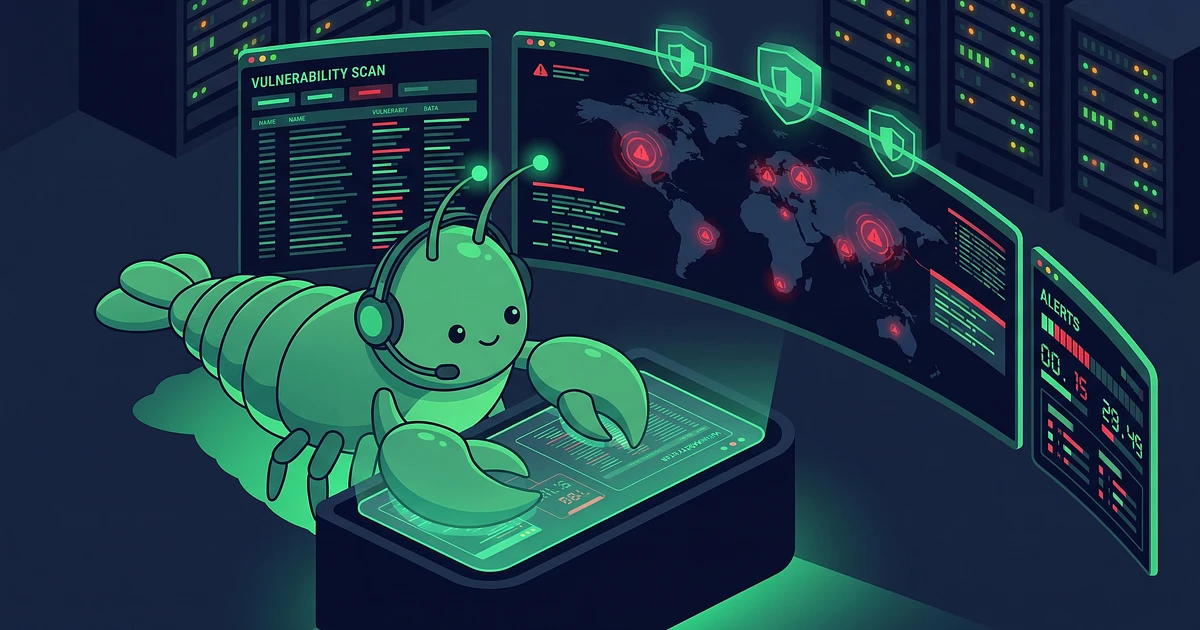
SecurityScorecard just published findings that should make every self-hosted OpenClaw user stop and check their setup. Their team found 40,214 exposed OpenClaw instances across 28,663 unique IP addresses. 63% of those deployments are running vulnerable versions. And 12,812 are exploitable via remote code execution.
The numbers are spread across 82 countries. 37% sit in China, followed by the US and Singapore. According to Infosecurity Magazine, 45% of all exposed instances run on Alibaba Cloud.
Here's the part that caught my attention. Jeremy Turner, VP of Threat Intelligence at SecurityScorecard, told The Register: "Usually when we do scans for a vulnerability, what we start with in the first scan is the most of the exposure and then over time it decreases. In this case, because it's a new technology and more users are adopting it, we see that trend actually doing the opposite."
So the exposure is growing, not shrinking. That's unusual and concerning.
OpenClaw's Docker deployment binds to 0.0.0.0:18789 by default. That means all network interfaces, including the public internet. The desktop CLI version correctly binds to 127.0.0.1 (localhost only). But most VPS and cloud users go the Docker route, and if you don't change that default, your instance is wide open.
SecurityScorecard also flagged three CVEs worth knowing about:
CVE-2026-25253 (CVSS 8.8): One-click RCE through auth token theft
CVE-2026-25157 (CVSS 7.8): SSH command injection
CVE-2026-24763 (CVSS 8.8): Docker sandbox escape
Turner added: "It's only a matter of time before we see threat actors actively exploiting these exposures."
If you're running OpenClaw on a VPS, check your Docker Compose config right now. Make sure port 18789 is bound to 127.0.0.1, not 0.0.0.0. Update to the latest version. And read our security hardening guide for the full checklist.
Or skip all of that. ClawHosters runs every instance in an isolated container with authentication enforced, restricted network access, and the built-in safety scanner running automatically. No exposed ports, no misconfiguration risk.
Not yet. SecurityScorecard's scan identified exposure, not active exploitation. But with 12,812 instances vulnerable to RCE, it's a matter of when, not if. Attackers follow published research closely.
Check your Docker Compose file for the port binding. If it says `0.0.0.0:18789` or just `18789:18789` without a specific IP, your instance is publicly reachable. Change it to `127.0.0.1:18789:18789` and use a reverse proxy with authentication.
Yes. ClawHosters instances never bind to public interfaces. Every instance runs behind authentication with network isolation by default. The exposure SecurityScorecard found only affects self-hosted setups with default Docker configurations.
*Last updated: March 2026*

On May 10, Hermes Agent by Nous Research passed OpenClaw in daily token usage on OpenRouter. Hermes hit 224 billion daily tokens against OpenClaw's 186 billion. By May 21 the gap had widened: 458 billion vs 173 billion.
A UK CEO's live OpenClaw instance showed up on BreachForums in February. Price tag: $25,000 in Monero. The listing advertised full access to the CEO's AI conversations, production database, Telegram bot tokens, and Trading 212 API keys. All stored in plaintext Markdown files.
On April 22, 2026, OpenAI announced Workspace Agents for ChatGPT Business and Enterprise customers. Think always-on, cloud-hosted AI agents that plug into Slack, Salesforce, Google Drive, and about a dozen other enterprise tools.