ClawHosters
by Daniel Samer
3 min read
Loading...
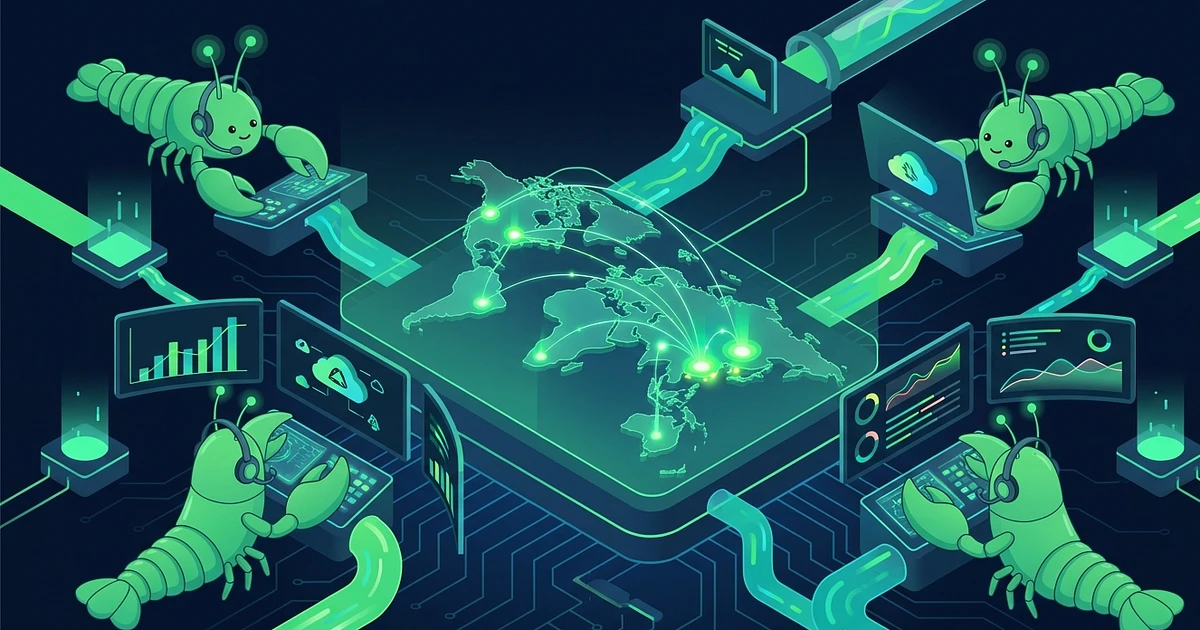
Nearly 1,000 people lined up outside Tencent's Shenzhen headquarters on March 6. Not for a product launch. Not for a concert. For a free AI agent installation.
Tencent deployed 20 engineers to the north plaza to set up OpenClaw on personal devices. The queue included students, retired aviation engineers, parents in their 60s, and librarians. Tencent Cloud confirmed the event broke its all-time single-day deployment record. A waitlist opened after capacity was hit.
That scene probably tells you more about OpenClaw China adoption than any earnings call could.
The Tencent event was the most visible moment, but the wave started earlier. On February 13, Baidu embedded OpenClaw into its flagship search app serving 700 million monthly users. That single integration made Baidu the largest OpenClaw deployment on the planet.
Then five of China's major cloud providers launched one-click OpenClaw deployment within days of each other: Tencent Cloud, Alibaba Cloud (19 regions, starting at $4/month), JD Cloud, ByteDance's Volcano Engine, and Baidu Intelligent Cloud. AWS, Azure, and GCP had no comparable dedicated offering at the time.
Stock markets reacted. On March 10, Tencent rose 7.3%, Zhipu AI surged 13%, and MiniMax jumped 22% in Hong Kong after each company launched OpenClaw-powered products.
The branding tells its own story. Chinese tech firms aren't just deploying OpenClaw quietly. They're building named products around it: QClaw (Tencent, for WeChat and QQ), ArkClaw (ByteDance's cloud version), MaxClaw (MiniMax), AutoClaw (Zhipu AI), and WorkBuddy (Tencent's enterprise agent). The "-Claw" suffix is becoming a product category.
Shenzhen's Longgang District went further, releasing the "Ten Lobster Measures": subsidies up to 2 million yuan per developer and 10 million yuan in equity funding for seed-stage AI startups.
Here's the angle worth paying attention to. Chinese cloud providers are offering "free" OpenClaw deployment because the real revenue comes from lock-in: compute, storage, bandwidth, API routing. Once you're on Alibaba Cloud's infrastructure, your ongoing costs flow through Alibaba. Free installation is just customer acquisition.
If you want managed OpenClaw hosting without vendor lock-in, that's the whole point of providers like ClawHosters. European data residency, GDPR compliance, container isolation, and you can move your instance whenever you want. The Chinese cloud race validates the model. We've been doing it since launch.
The direction is clear. Managed OpenClaw deployment is where the market is heading. The only question is who you trust with your infrastructure.
China's cloud market is intensely competitive, with domestic providers (Alibaba, Tencent, China Telecom) holding the top positions. OpenClaw deployment is the current battleground for locking in the next generation of AI developers before commercial workloads scale. Free installation is the acquisition cost; ongoing infrastructure spend is the revenue.
It validates managed OpenClaw hosting as a market category. When five of the world's largest cloud providers launch the same product within a week, the signal is clear. For users outside China, the practical takeaway is that self-hosted vs. managed hosting is now a settled question for most use cases.
ClawHosters operates on European infrastructure with GDPR compliance, container isolation, and no vendor lock-in. Chinese providers offer low entry prices but route all ongoing costs through their ecosystem. If data residency, portability, or European regulation matters to you, check our pricing for a direct comparison.
*Last updated: March 2026*

On May 10, Hermes Agent by Nous Research passed OpenClaw in daily token usage on OpenRouter. Hermes hit 224 billion daily tokens against OpenClaw's 186 billion. By May 21 the gap had widened: 458 billion vs 173 billion.
A UK CEO's live OpenClaw instance showed up on BreachForums in February. Price tag: $25,000 in Monero. The listing advertised full access to the CEO's AI conversations, production database, Telegram bot tokens, and Trading 212 API keys. All stored in plaintext Markdown files.
On April 22, 2026, OpenAI announced Workspace Agents for ChatGPT Business and Enterprise customers. Think always-on, cloud-hosted AI agents that plug into Slack, Salesforce, Google Drive, and about a dozen other enterprise tools.