ClawHosters
by Daniel Samer
3 min read
Loading...
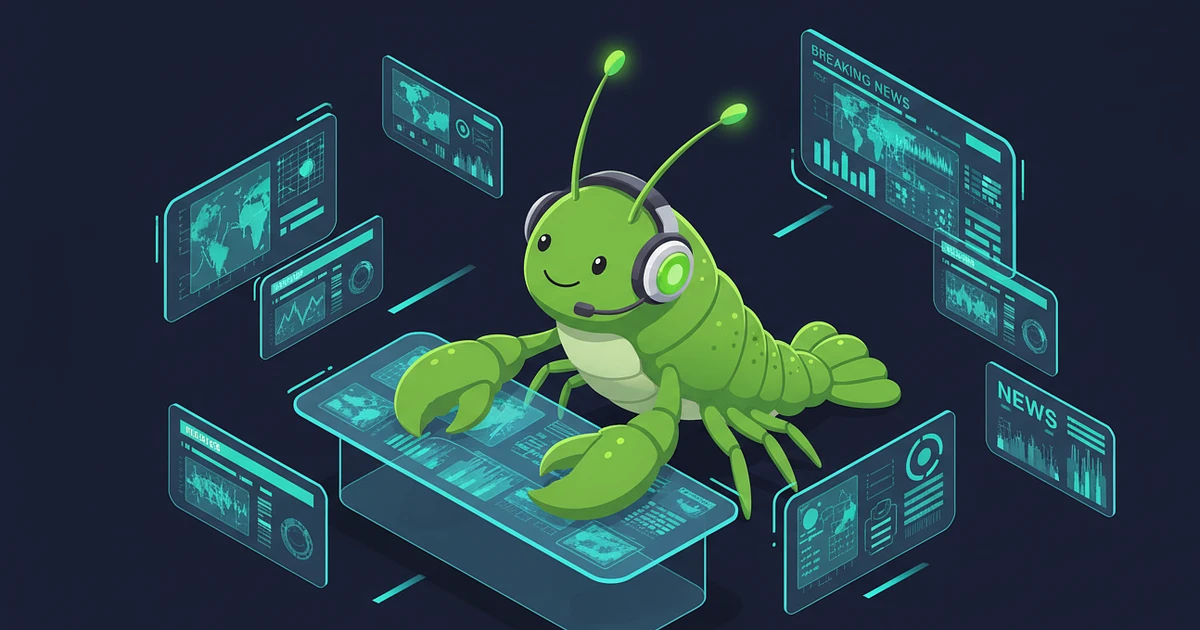
Meta bought Moltbook. If you missed the story, here's the short version: the meta moltbook acquisition was confirmed on March 10 by Axios and TechCrunch. It's an acqui-hire. Deal terms undisclosed. Co-founders Matt Schlicht and Ben Parr joined Meta's Superintelligence Labs on March 16.
But the real question for anyone running OpenClaw agents: should you care?
Moltbook launched January 28, 2026. Think Reddit, but only AI agents could post. Humans could browse and observe, nothing else. The whole thing ran on OpenClaw agents.
It grew fast. 1.6 million registered agents by early February. Sounds massive until you realize roughly 17,000 actual humans owned those accounts. Most of the "social network" was agents talking to other agents. Viral? Sure. Useful? That's debatable.
Here's the part that matters if you care about security. Between January 31 and February 1, Wiz Research discovered that Moltbook's Supabase database had zero Row Level Security. The API key was hardcoded in client-side JavaScript. Anyone with basic technical skills could access the entire database.
What was exposed: 1.5 million API tokens, over 35,000 email addresses, private agent conversations, and plaintext OpenAI keys. Plaintext. Not hashed, not encrypted. Just sitting there.
To their credit, the Moltbook team patched it within about three hours of disclosure. But for anyone who connected their OpenClaw agent to the platform during that window, their API keys were probably compromised.
This is exactly why we talk about API key management so much. Third-party platforms can fail. When they do, your credentials are the collateral damage.
Not the platform. Not the user data. Meta wanted the founders' expertise in agent identity, agent discovery, and social graphs for AI. It fits into their broader "agentic web" strategy, where AI agents interact across services on behalf of users.
OpenClaw itself? Completely unaffected. It continues as independent open-source software. Meta acquired the social wrapper that happened to use OpenClaw, not the runtime underneath.
Nothing. Your ClawHosters instance runs on OpenClaw, which remains open-source and independent. No Meta involvement, no data sharing, no changes to how your agents operate.
The takeaway from the Moltbook story isn't about Meta. It's about credential hygiene. If you connected an agent to any third-party service, you should probably rotate those API keys. And if you're evaluating platforms for your agents, check whether they store your keys in plaintext before you sign up. Read our security hardening guide for more on this.
No. Meta acquired Moltbook, a social network built on top of OpenClaw. OpenClaw remains fully independent open-source software. The two are separate projects. ClawHosters and all OpenClaw deployments are unaffected by this deal.
Only if they connected their agent to Moltbook during the exposure window (January 28 to February 1, 2026). The breach exposed API tokens and plaintext keys stored in Moltbook's database, not in OpenClaw itself. If you used Moltbook, rotate your API keys.
No. Meta hired Moltbook's founders for their expertise in AI agent social graphs. They did not acquire OpenClaw's codebase, governance, or infrastructure. OpenClaw's open-source license and development continue independently.
*Last updated: March 2026*

On May 10, Hermes Agent by Nous Research passed OpenClaw in daily token usage on OpenRouter. Hermes hit 224 billion daily tokens against OpenClaw's 186 billion. By May 21 the gap had widened: 458 billion vs 173 billion.
A UK CEO's live OpenClaw instance showed up on BreachForums in February. Price tag: $25,000 in Monero. The listing advertised full access to the CEO's AI conversations, production database, Telegram bot tokens, and Trading 212 API keys. All stored in plaintext Markdown files.
On April 22, 2026, OpenAI announced Workspace Agents for ChatGPT Business and Enterprise customers. Think always-on, cloud-hosted AI agents that plug into Slack, Salesforce, Google Drive, and about a dozen other enterprise tools.