ClawHosters
by Daniel Samer
2 min read
Loading...
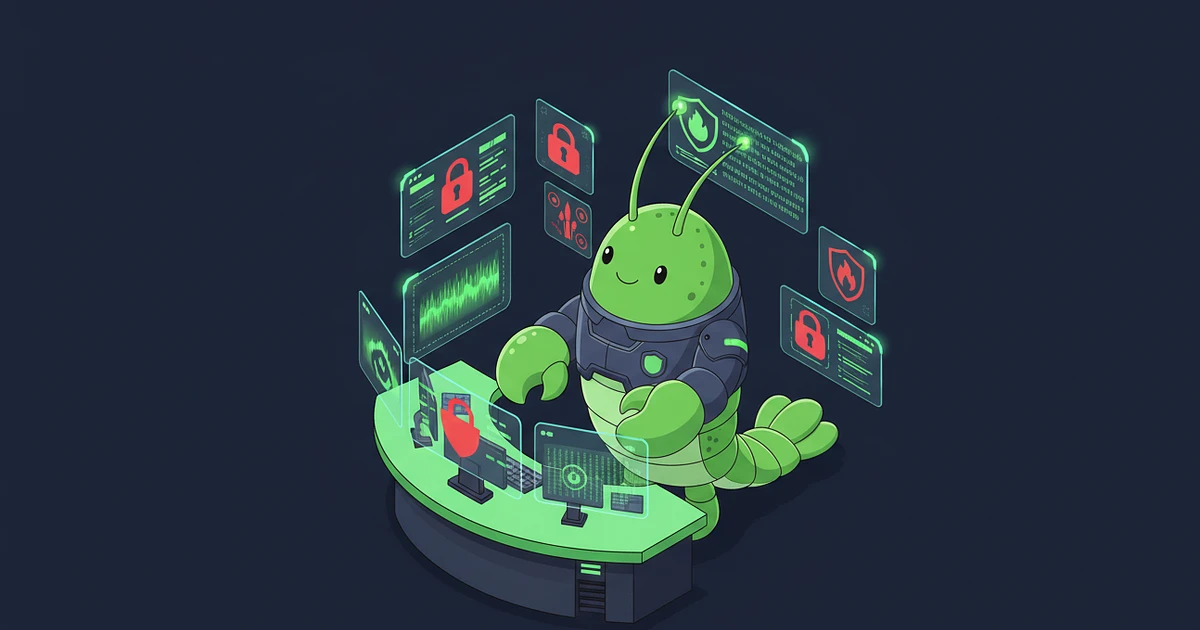
Mastercard just published something that should probably worry anyone running an OpenClaw instance without proper security. Their article, "OpenClaw and the urgent need for AI security standards", doesn't mince words about what's at stake.
The core argument is blunt. OpenClaw needs access to emails, documents, and the authority to spend money to do its job. That makes it a high-value target. Mastercard's phrasing is worth reading directly:
"Prompt injection is a uniquely problematic and increasingly common AI security threat."
They go further. A patchwork approach to securing AI agents won't cut it. What's needed, according to Mastercard, are "widely recognized and globally harmonized ai agent security standards" that apply across the board.
This isn't just corporate posturing. When a company processing billions in transactions per day raises the alarm, regulators tend to listen.
The openclaw security risk data backs up the concern. SecurityScorecard found over 40,000 exposed OpenClaw instances on the public internet, with 63% of observed deployments being vulnerable. Trend Micro identified 341 malicious skills floating around the ClawHub marketplace. And roughly one in five organizations deployed OpenClaw without IT even knowing about it.
That last stat is the scariest one, honestly. Shadow deployments with no security oversight, handling sensitive data.
Mastercard isn't alone here. The Dutch DPA called OpenClaw a "Trojan horse" back in February. Singapore's IMDA launched the world's first agentic AI governance framework at Davos in January. And NIST's AI Agent Standards Initiative has a public comment deadline of March 9, 2026.
The regulatory walls are closing in. Fast.
If you're running OpenClaw, this is a good time to check your setup. Our security hardening guide covers the basics, and the safety scanner can flag obvious issues.
The difference between a self-hosted and managed deployment matters more than ever now. Self-hosted gives you control, but you're also responsible for keeping up with these emerging standards. Managed hosting through ClawHosters means security patches and hardening happen automatically.
Global ai agent security standards are coming whether we're ready or not. Better to be ahead of it.

On May 10, Hermes Agent by Nous Research passed OpenClaw in daily token usage on OpenRouter. Hermes hit 224 billion daily tokens against OpenClaw's 186 billion. By May 21 the gap had widened: 458 billion vs 173 billion.
A UK CEO's live OpenClaw instance showed up on BreachForums in February. Price tag: $25,000 in Monero. The listing advertised full access to the CEO's AI conversations, production database, Telegram bot tokens, and Trading 212 API keys. All stored in plaintext Markdown files.
On April 22, 2026, OpenAI announced Workspace Agents for ChatGPT Business and Enterprise customers. Think always-on, cloud-hosted AI agents that plug into Slack, Salesforce, Google Drive, and about a dozen other enterprise tools.